


اتصل بنا
العنوان: رقم 129 شارع جينكسيو أفينيو، بلدة ياوزهوانغ، مقاطعة جياشان، مدينة جياشينغ، مقاطعة تشجيانغ
الهاتف: 0086 13957350809
البريد الإلكتروني: sales@moosoo.com.cn
العنوان: رقم 129 شارع جينكسيو أفينيو، بلدة ياوزهوانغ، مقاطعة جياشان، مدينة جياشينغ، مقاطعة تشجيانغ
الهاتف: 0086 13957350809
البريد الإلكتروني: sales@moosoo.com.cn
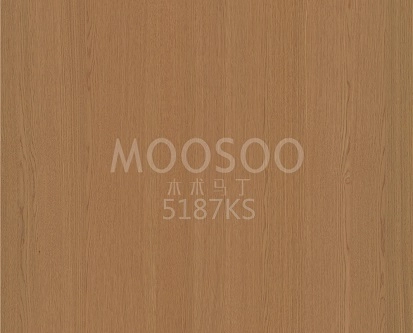
Solid oak veneer panels are prized in interior design, furniture making, and architectural applications for their rich appearance, sustainability, and versatility. Unlike solid wood boards, veneer panels combine the beauty of real oak with engineered strength and dimensional stability.
Solid oak veneer panels are composite boards (typically MDF, plywood, or particleboard cores) surfaced with a thin layer of real oak wood—called the veneer. Oak veneer ranges from about 0.5 mm to 3 mm in thickness but is substantially thinner than solid lumber. The face veneer showcases natural oak grain, color, and figure, while the substrate offers stability and cost-efficiency.
Although the surface is real oak, the panel is not solid oak lumber through and through. This hybrid construction offers:
The most common cores:
The choice of core affects machining, screw holding, weight, and finish quality.
Oak logs are sliced using different techniques that yield distinct looks:
The veneer sheets are dried, graded, and matched for appearance before application.
Adhesives like urea-formaldehyde, phenol-formaldehyde, or more eco-friendly types are selected based on performance and VOC standards.
Understanding the technical properties helps ensure appropriate use.
Because veneer is bonded to a stable core, veneer panels resist expansion and contraction better than solid oak boards. This makes them ideal for:
However, veneer thickness and core type still influence stability—MDF cores generally outperform particleboard under humidity fluctuations.
Veneer offers:
Oak veneer captures all the beauty of real wood—grain variation, figure, and natural warmth—without massive costs. With techniques like book-matching or slip-matching, designers can create striking symmetrical patterns across large surfaces.
Using thin layers of oak reduces the amount of precious hardwood required, making it both cost-effective and more sustainable. Many manufacturers also use FSC-certified wood and low-VOC adhesives.
Veneer panels machine well:
Their uniform substrate yields predictable results, unlike natural variability in solid lumber.
Oak veneer adds premium aesthetics to furniture like:
Used to clad walls in:
The consistency and large panel sizes create a refined, continuous surface.
Veneer panels offer wood door aesthetics without heavy solid wood, improving stability and cost.
Store fixtures, display cases, and hotel lobbies frequently use oak veneer for a luxurious, natural feel.
Finishes define performance and appearance:
Oak can be:
Careful sample approval is essential before large installs.
Panels should acclimate to the installation space for several days to equilibrate moisture content.
Ideal range:
Depending on use, a fresh coat of finish every few years restores protection and sheen.
Oak veneer uses less solid wood, making it more resource-efficient. Eco-friendly practices include:
These choices align with green building standards like LEED or WELL.
While highly versatile, veneer panels have constraints:
Solid oak veneer panels blend beauty, performance, and sustainability. With proper material selection, thoughtful design, and meticulous installation, they elevate interiors across residential, commercial, and hospitality environments. Their engineered stability, paired with real oak aesthetics, makes them a smart choice for architects, designers, and craftsmen alike.